Turning sleep data college students ignore into one small thing to do each night.
A sleep app for college students. It tracks sleep in the background, works out how much you actually need, and turns that into small nightly challenges that pay out in room decorations.
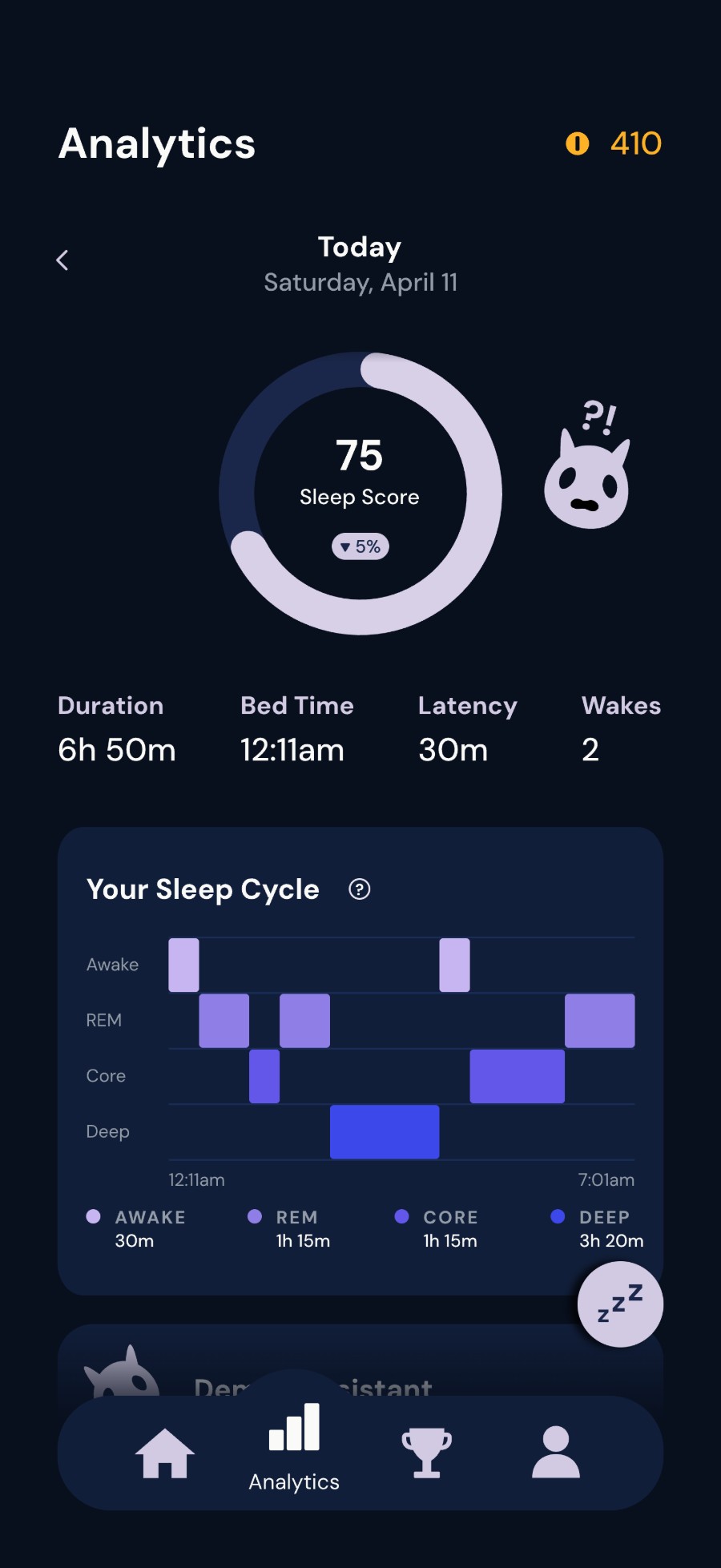
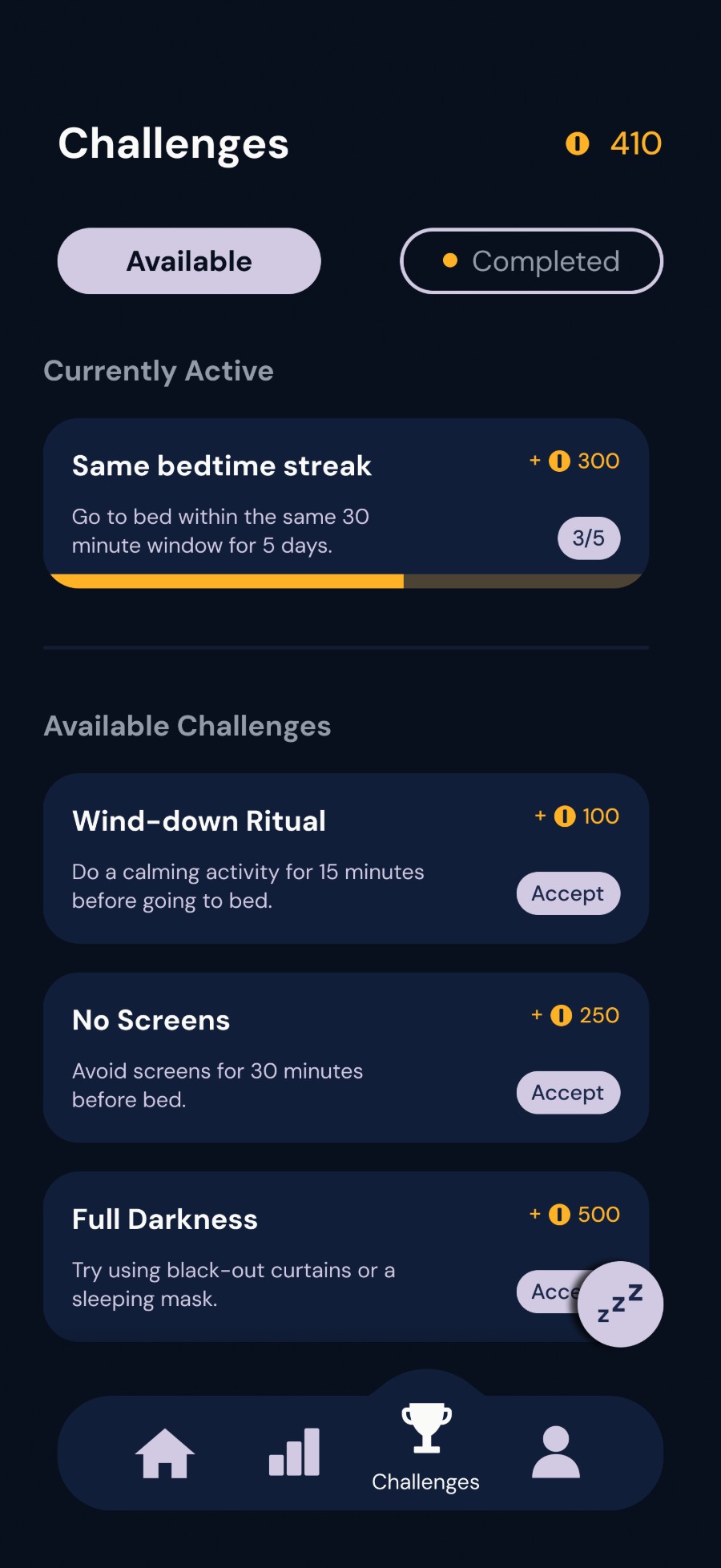
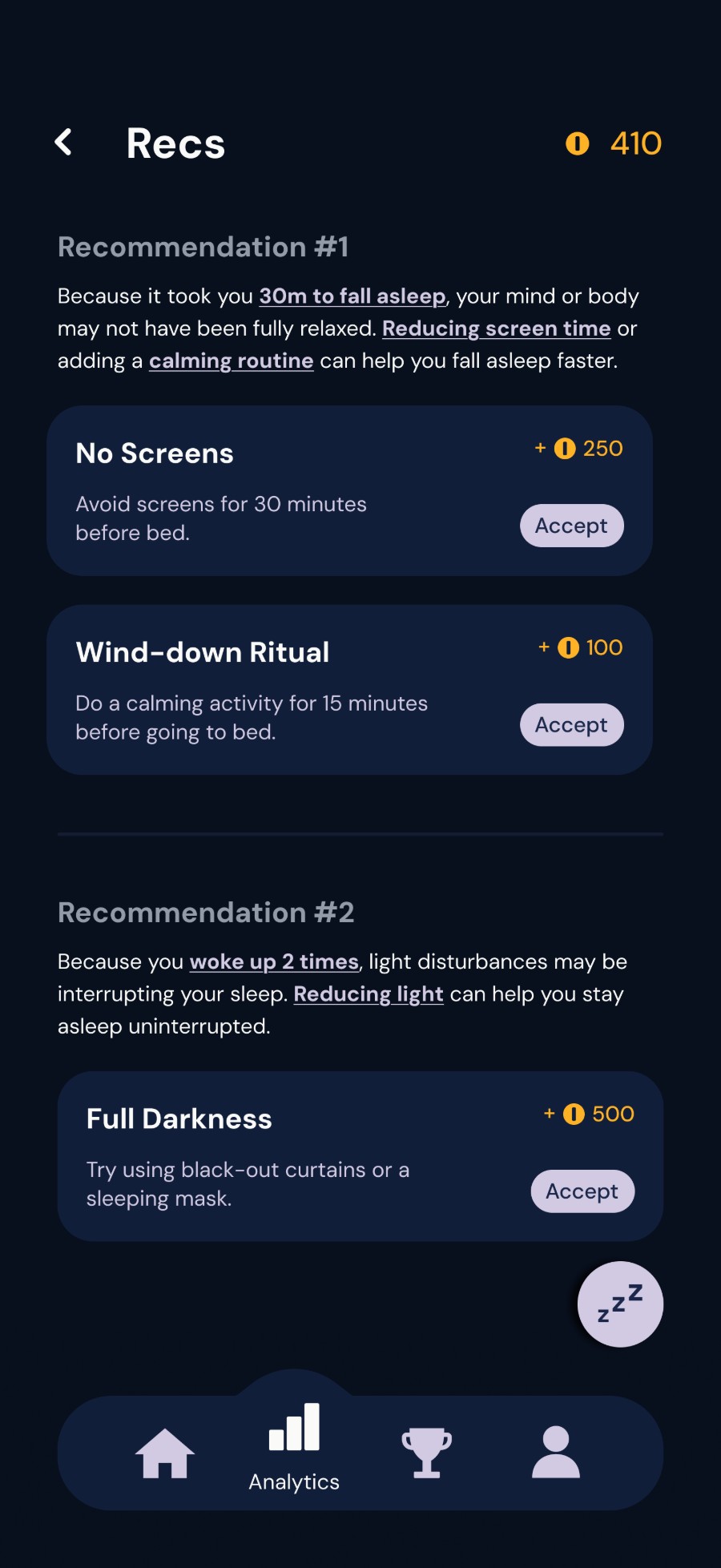
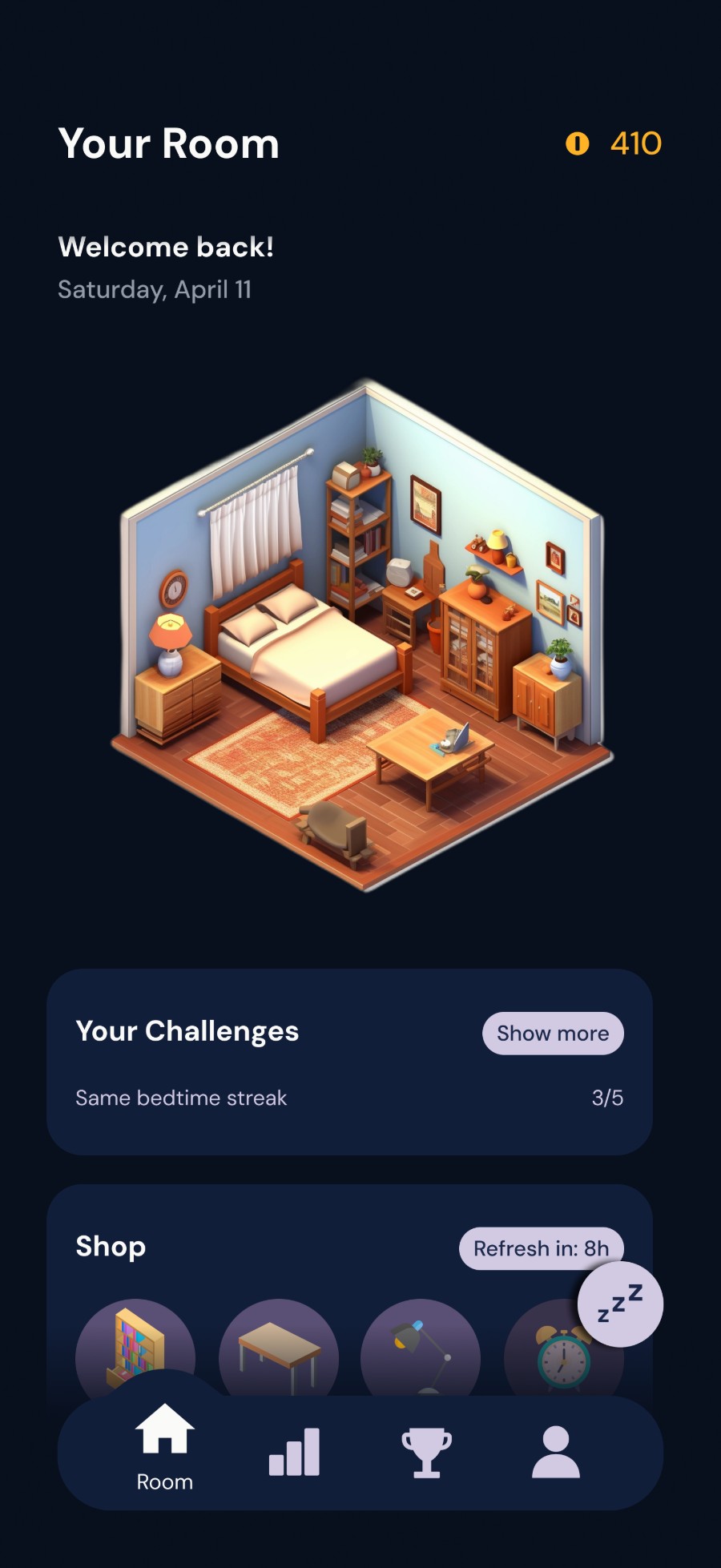
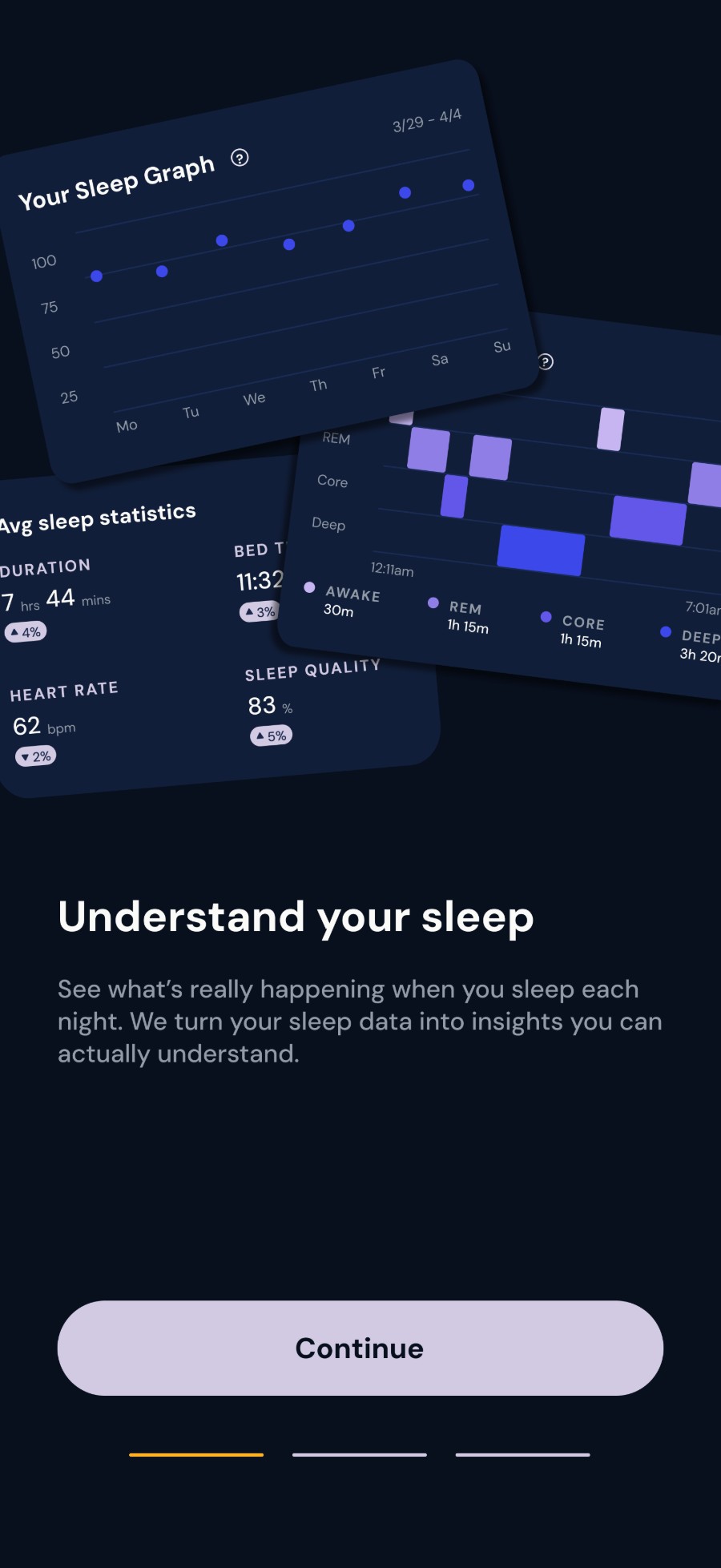
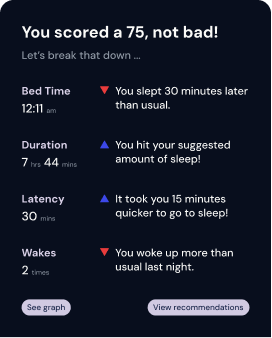
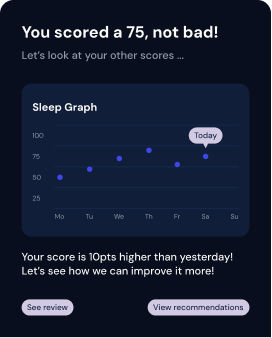
Somnium identifies sleep patterns, calculates how much sleep each person needs, and gives recommendations based on their own data. Instead of stopping at a chart, it turns that data into one small challenge a night. Completing challenges earns coins that go toward decorating a virtual bedroom.
We took it from primary research to a working prototype and demo in one course cycle.
Students know they sleep badly. Most sleep apps tell them so, then leave them to fix it.
Late-night phone use, coursework and stress push bedtimes around, and the usual fix is coffee the next morning. We wanted an app that knew how much sleep a student needed and helped them get it, with as little effort on their part as possible.
Three things came up again and again: schedules with no structure, phones and academic stress as the main disruptors, and a habit of reaching for short-term fixes over long-term ones.
“I definitely rely heavily on coffee to get through the day. I honestly don't know what I'd do without it.”
We brainstormed around 40 features and had ten weeks, so we ranked them on feasibility against impact and kept three: passive tracking, nightly challenges and room rewards. A leaderboard didn't make the cut.
The reward system was the harder problem. An app about putting your phone down can't give you a reason to pick it up at midnight, so the shop only shows four items and refreshes every eight hours.
I ran and synthesized the interviews, helped set scope from the brainstorm, and designed the analytics and challenge screens. Every metric on the analytics screen comes with a plain-language verdict, and each night's challenge targets the user's weakest metric.
The deeper we got into the design, the more research it needed.
We designed challenges before knowing which ones actually help people decompress, and we never answered whether the gamification pulls attention away from sleep itself. Both are questions for testing with more users.